

Welcome to the World Tetrahand Congress 2026
This prestigious scientific meeting will bring together leading clinicians, researchers, and healthcare professionals in the field of tetraplegia, providing a unique platform for high-level knowledge exchange and innovation.
We encourage surgeons (plastic, orthopaedic, and hand), therapists, rehabilitation physicians, scientists, and bioengineers to join us in sharing best practice, discussing the latest advances, and shaping the future of this rapidly evolving field.
The World Tetrahand Congress is delighted to welcome Dr. Jayme Bertelli as one of our featured speakers.
Internationally recognised for his pioneering work in peripheral nerve surgery and reconstructive microsurgery, Dr. Bertelli has made significant contributions that have advanced patient care
and surgical innovation worldwide.
His expertise, research, and clinical experience make him an outstanding addition to this year’s programme. We are honoured to have Dr. Bertelli share his knowledge and insights with our global community, and we look forward to the
inspiration and expertise he will bring to the Congress.
Main Congress Programme
Registration
Pre-Congress Surgical Workshop
DATE: 21st September 2026
LOCATION: Waterside Theatre, Aylesbury
Pre-Congress Therapy Course
DATE: 21st September 2026
LOCATION: Stoke Mandeville Hospital

World Tetrahand Congress
DATE: 22nd – 23rd September 2026
LOCATION: Waterside Theatre, Aylesbury
Tetrahand Highlights
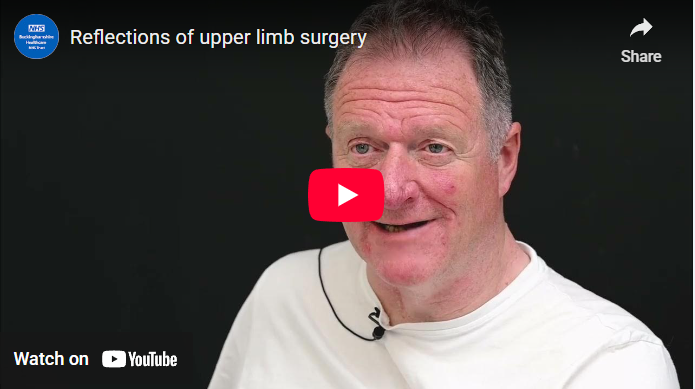
Patient Experience
Patient experience videos share real stories from people who have undergone tendon replacement or nerve transplant surgery. Through their reflections, these videos highlight the physical and emotional journey of recovery, resilience, and rediscovery after upper limb surgery.
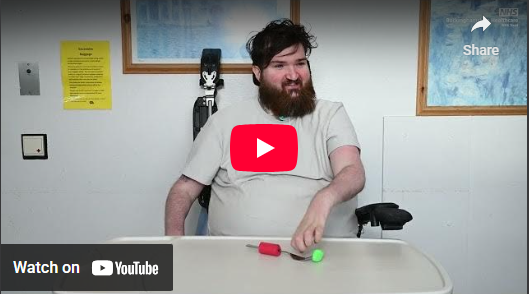
Pre & Post Op Clinical Videos
These videos show patients’ progress before and after upper limb surgery, focusing on measurable recovery outcomes. They include assessments of Range of Motion (ROM), Tetraplegic Upper Limb Activity Questionnaire (TUAQ), and Canadian Occupational Performance Measure (COPM) to demonstrate functional improvement over time.
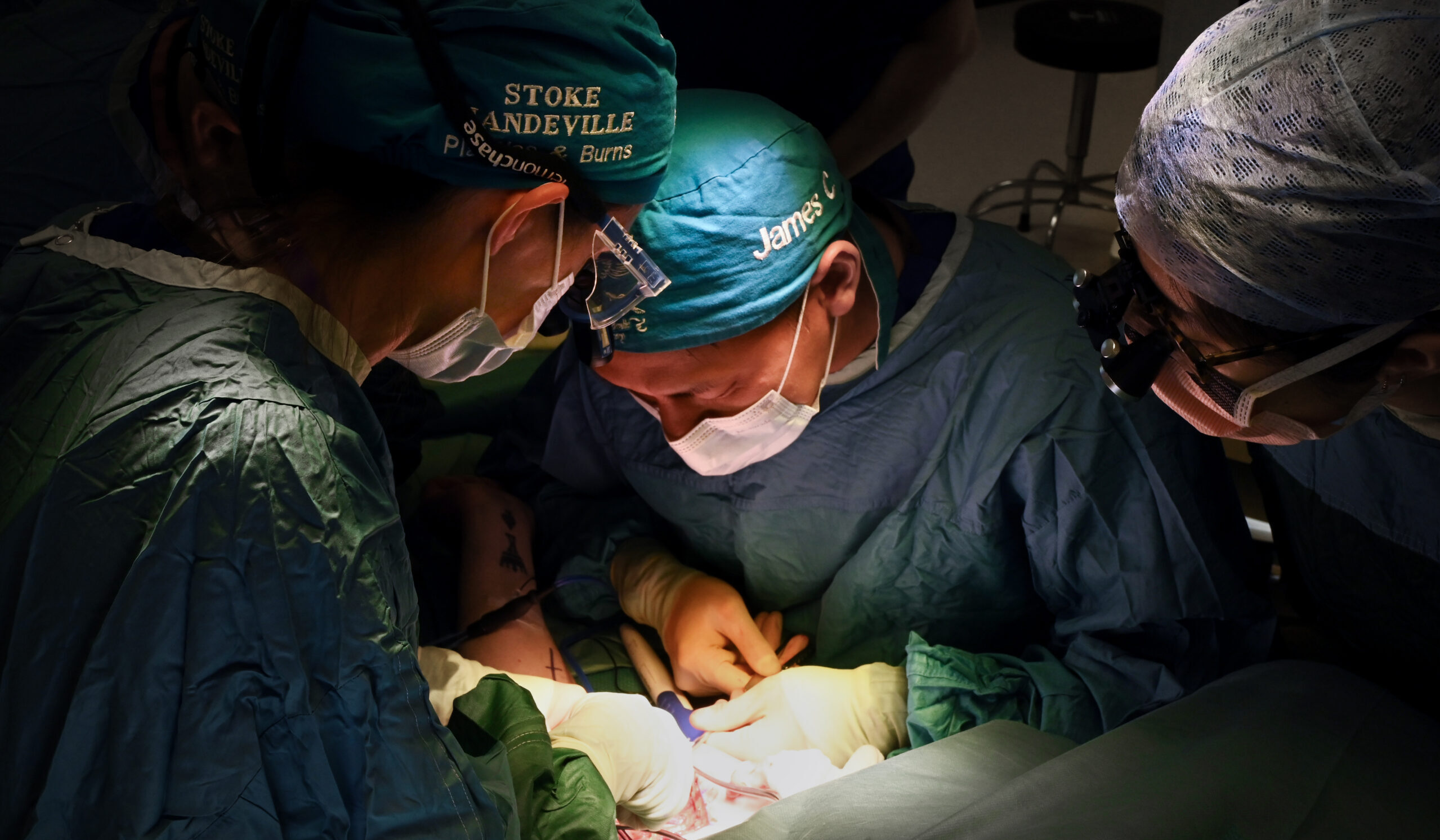
Tetrahand In Theatre
See real photos of the surgery, providing a unique insight into the procedure. It offers an educational perspective on the surgical process and the intricate work involved in upper limb reconstruction.
This webinar brings together surgeons who specialise in tetrahand surgery to discuss contemporary approaches to restoring hand function following spinal cord injury.
Through a combination of short talks and a live Q&A format, the session explores what is achievable with tetrahand surgery, how these outcomes are accomplished, and which patients may benefit.
The discussion focuses on restoring meaningful function in individuals with very limited hand movement.
History of Stoke Mandeville Hospital
Stoke Mandeville’s National Spinal Cord Injuries Centre
The National Spinal Injuries Centre (NSIC) at Stoke Mandeville Hospital, founded in 1944 by Sir Ludwig Guttmann, is world-renowned for transforming spinal injury care and inspiring the Paralympic movement. For 80 years, it has led innovation in rehabilitation, surgery, and therapy. Home to the UK’s only children’s spinal injury ward and pioneering research that shapes care worldwide. Above all, it is defined by its dedicated staff, whose compassion and expertise continue to make the NSIC a beacon of excellence and hope.
The Father of the Paralypmics
In 1948, Sir Ludwig Guttmann, working at Stoke Mandeville Hospital, pioneered the idea of using sport as part of rehabilitation for patients with spinal cord injuries. That summer, alongside the London Olympics, he organised the first Stoke Mandeville Games, with just one event: archery.
We have a proud history of innovation and leadership at the forefront of spinal cord injury care. Our commitment is unwavering: to continue building on this legacy by putting patient care at the heart of everything we do. We will advance education, research, and innovation programs to redefine what’s possible, setting new standards for excellence in spinal cord injury care for generations to come.
Horatio’s Garden
Opened in 2018 at the National Spinal Injuries Centre in Stoke Mandeville Hospital.
An essential place for reflection and adjustment, privacy and solace, joy and companionship to all who need it. Every aspect of Horatio’s Garden support is evidence-based and we know that being in the garden can improve mental and physical health, distraction from pain, vitamin D levels, sleep and long-term activity.
Join Us At WaterSide Theatre
How To Get Here
By car
There are plenty of car parks nearby Aylesbury Waterside Theatre within easy walking distance of the theatre including a multi-storey car park in Walton Street (for sat navs enter HP21 7QP), and Upper Hundreds car park.
By train
The Chiltern Rail service links Aylesbury with London Marylebone. The town’s station is a five minute walk from the theatre.
By bus
Aylesbury Waterside Theatre is located within 200 metres of Aylesbury’s main bus station.
Hotels
There are many accommodation options with different budgets in and around Aylesbury.
Lorem ipsum dolor sit amet, at mei dolore tritani repudiandae. In his nemore temporibus consequuntur, vim ad prima vivendum consetetur. Viderer feugiat at pro, mea aperiam